Jointly initiated by: GreyBay Institute, Greater Bay Area Institute
Tel: +86 13538048576Address: 8 Yuanling 5th Street, Futian District, Shenzhen, Guangdong, China



In November 2020, GreyBay Institute core members together with colleagues from the Harvard T.H. Chan School of Public Health, ANA Holdings, and the University of Tokyo published Lifestyle factors and jet lag prevention: a preliminary cross-sectional analysis of travel wellness among Japanese and U.S. business class travelers in Sleep and Biological Rhythms. The paper offers one of the first large-sample analyses of modifiable lifestyle factors associated with jet-lag severity in frequent international business travellers.
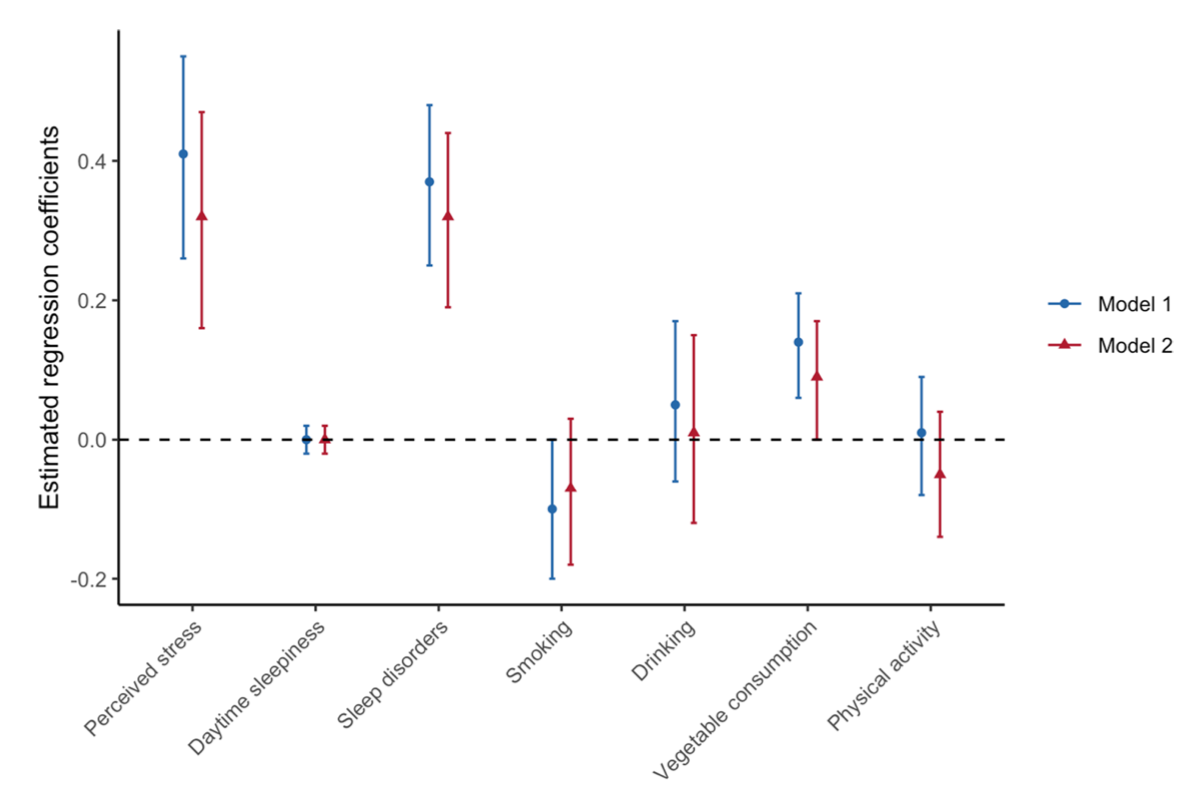
Using a travel-health survey distributed to ANA frequent flyers in Japan and the United States, the team analysed responses from 1,759 Japanese and 483 U.S. business-class travellers. Multivariable linear regression models were used to examine how stress, daytime sleepiness, sleep disturbance, smoking, drinking, physical activity, and vegetable intake related to overall jet-lag severity and specific symptoms.
Key finding 1: sleep disturbance was the strongest risk factor for jet lag. Travellers reporting sleep problems perceived significantly greater jet-lag severity and had higher symptom scores, supporting the inclusion of pre-trip sleep screening in corporate travel-health programmes.
Key finding 2: regular physical activity showed a protective effect. Travellers maintaining weekly activity reported about 15% lower perceived jet-lag severity. Smokers also reported lower subjective burden, but the authors cautioned strongly against any interpretation of smoking as protective; the result may reflect differences in perception or coping, not a health benefit.
Key finding 3: higher stress was strongly associated with worse jet-lag symptoms, while higher vegetable intake was unexpectedly associated with more reported symptoms. The latter may reflect greater symptom awareness among health-conscious travellers and highlights the need to avoid generating unnecessary health anxiety in risk communication.
From an occupational-health perspective, the study fills an important evidence gap by showing that non-pharmacological travel-health measures such as physical activity promotion and sleep-problem referral deserve a place alongside melatonin and light-based strategies. The consistency of findings across Japanese and U.S. samples also supports the development of globally applicable corporate travel-health standards.
The authors note that the cross-sectional design cannot establish causality and that business-class passengers are not representative of all travellers. Even so, the study has already informed follow-up work on wearable-based physical-activity interventions and enterprise sleep-health platforms for high-frequency cross-border travellers in the Greater Bay Area. GreyBay also provides services on traveller risk profiling, health-economics evaluation of jet-lag interventions, and assessment of health products for airlines and mobility providers. For enquiries, please contact contact@greybay.org.
Publication:
Lifestyle factors and jet lag prevention: a preliminary cross-sectional analysis of travel wellness among Japanese and U.S. business class travelers. Hana Hayashi, Akihiro Shimoda, Yue Li et al. Sleep and Biological Rhythms, 2021;19:127-136.
DOI: 10.1007/s41105-020-00297-3
Link: https://link.springer.com/article/10.1007/s41105-020-00297-3

Jointly initiated by: GreyBay Institute, Greater Bay Area Institute
Tel: +86 13538048576Address: 8 Yuanling 5th Street, Futian District, Shenzhen, Guangdong, China